|
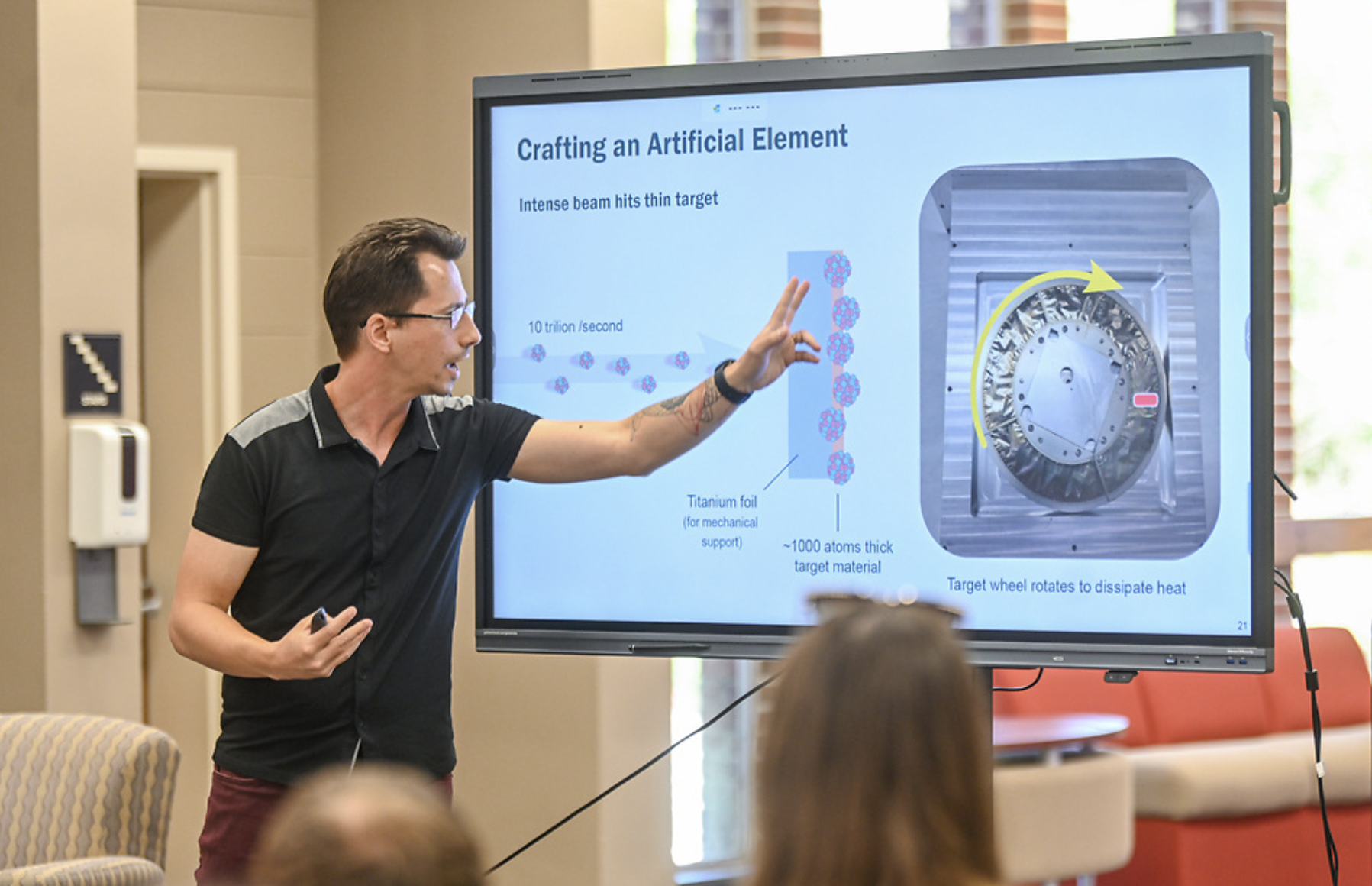
Dr. Erich Leistenschneider Lawrence Berkeley National Lab Troy University Library, Septermber 28, 2026 Birth and Death of a Superheavy Element (Outreach Lecture Series) What happens when an atom gets so heavy that standard chemistry breaks down? At the extreme boundary of the periodic table, superheavy elements exist for only fractions of a second, yet their brief existence offers key insights into the fundamental laws governing matter. Their atomic nuclei, packed with competing, repelling protons, often adopt exotic and highly deformed shapes just to maintain structural stability. Surprises emerge across nuclear, atomic, and molecular scales, making their study a deeply multidisciplinary endeavor. Because their fleeting nature prevents them from existing naturally on Earth, studying them requires us to forge them ourselves. This talk offers a guided tour through the lifecycle of a superheavy element, from its creation in a particle accelerator facility to the high-precision experiments used to study single atoms. We will explore why these fragile nuclei exist at all, how relativistic electron dynamics warp their chemical identity, and how this fundamental research impacts our lives beyond the lab. Finally, we will look toward the horizon at humanity’s quest to forge entirely new elements in the decade ahead. |
|
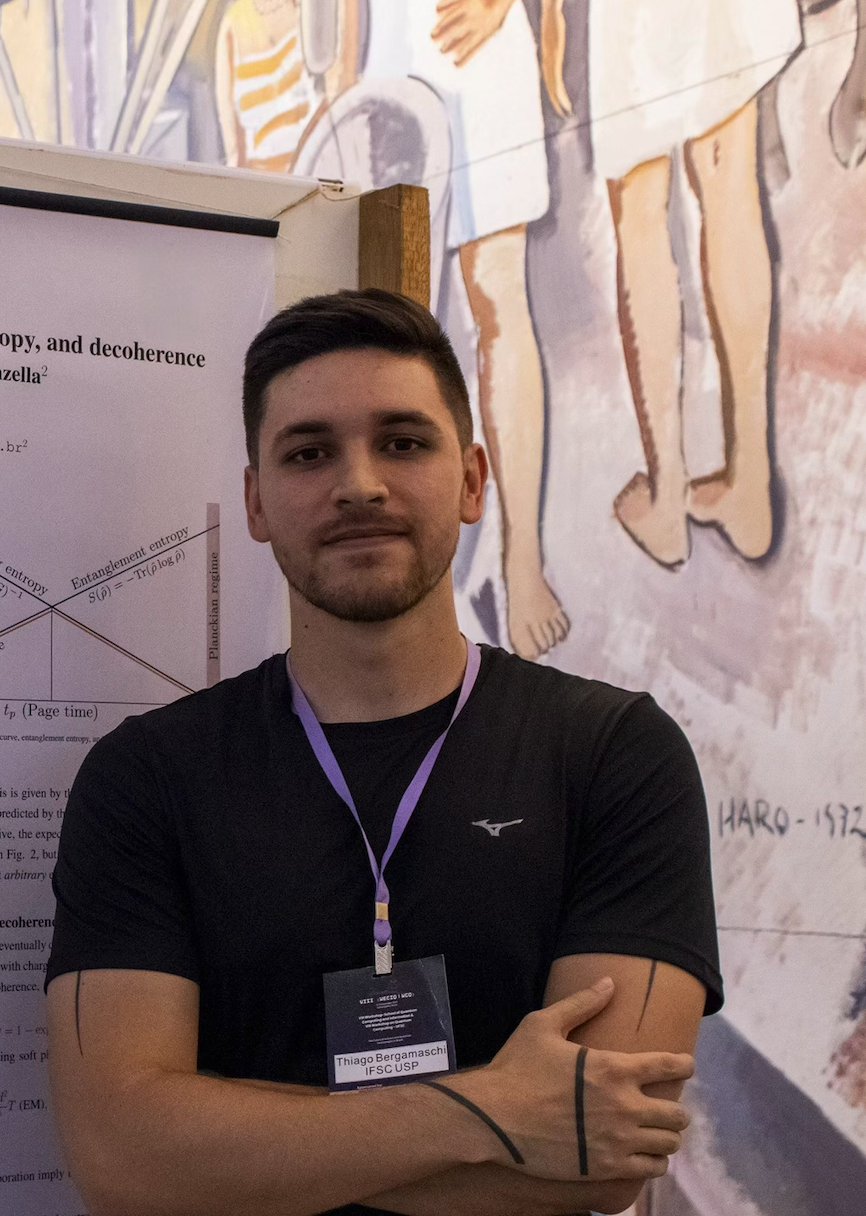
Thiago Bergamaschi University of Sao Paulo Troy University Library, Septermber 2, 2026 What Black Holes Can Teach Us About The Universe (Outreach Lecture Series) Black holes have fascinated scientists for centuries, but we are now entering an extraordinary era in which new observations and experiments are allowing us to study them in unprecedented ways. In this talk, we will explore why black holes matter, what we are learning from them, and how studying these extreme objects can deepen our understanding of gravity, space, time, and the universe itself. |
|
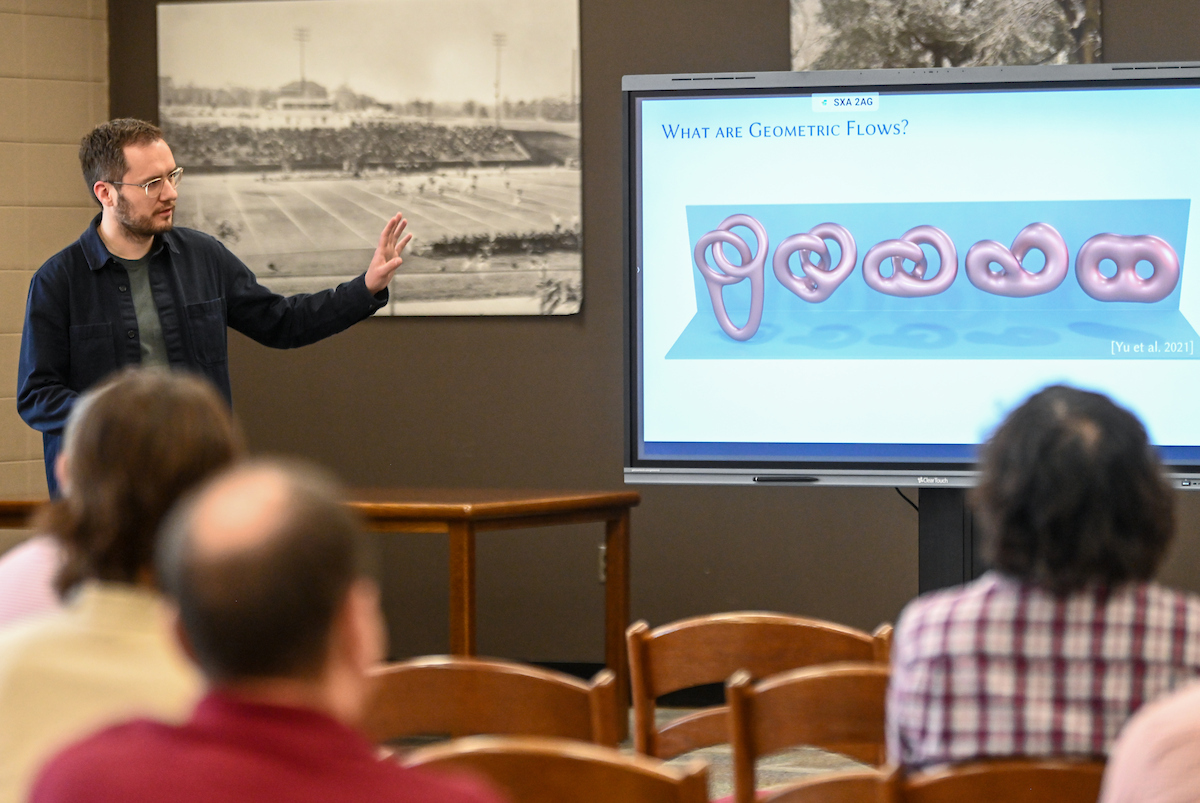
Dr. Jiri Minarcik Fulbright Visiting Scholar Troy University Library, March 26, 2026 Applications of Geometric Flows (Outreach Lecture Series) Geometric flows are equations that describe how shapes evolve over time. In this lecture, we explore how modeling moving curves and surfaces provides insight into phenomena across scales: from dislocation lines in crystals that influence the strength of materials, through atmospheric vortices such as tornadoes, to magnetic field lines in the solar corona that drive solar eruptions. Through visualizations and computational examples, we examine how the same geometric principles also inform simulation, computer graphics, and digital fabrication, linking abstract mathematics to physical processes. |
|
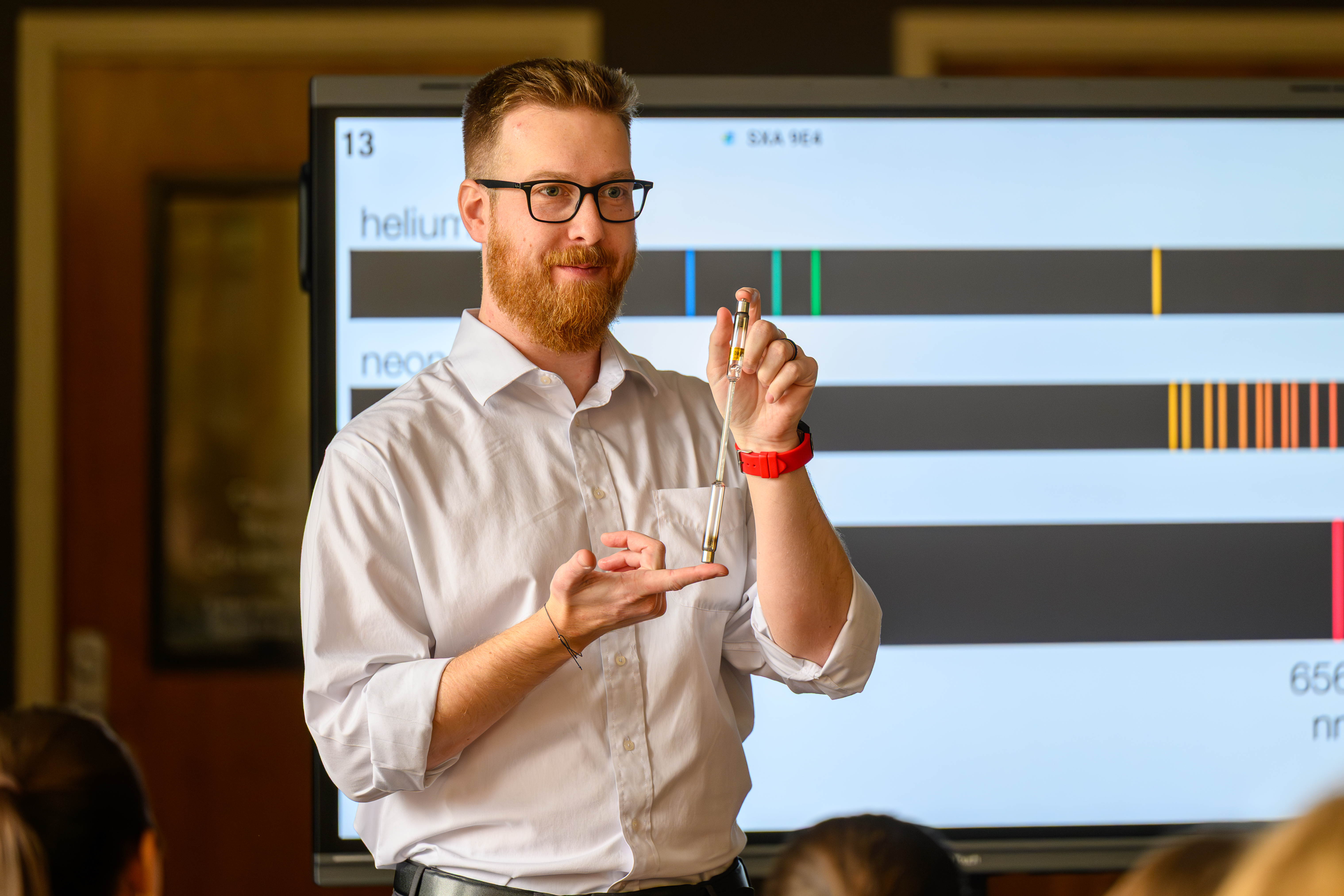
Dr. Justin Robinson Georgia State University Troy University Library, February 11, 2026 The Cosmos and Its Galaxies As Seen Through Next-Generation Observatories (Outreach Lecture Series) Premier observatories such as the James Webb Space Telescope, the Hubble Space Telescope, the Vera Rubin Observatory, the Nancy Grace Roman Space Telescope, and the Dark Energy Survey Instrument have collectively catapulted our understanding of the Milky Way, nearby galaxies, galaxy clusters and superclusters, and the large-scale Universe into uncharted and exciting territory. These powerful telescopes observe the cosmos in many different ways, including 1) through imaging in different wavelengths of light, most of which are unable to be seen with the naked human eye and 2) through splitting incoming light into its individual wavelengths, thereby creating a spectrum for objects in space. In this presentation, I will describe how these observatories 1) use imaging in different wavelengths of the electromagnetic spectrum to reveal different physical attributes about galaxies and 2) use spectroscopy to learn even more about the same objects, with a few experiments to demonstrate the awesome power of these instruments. |
|
Dr. Hoa Dinh
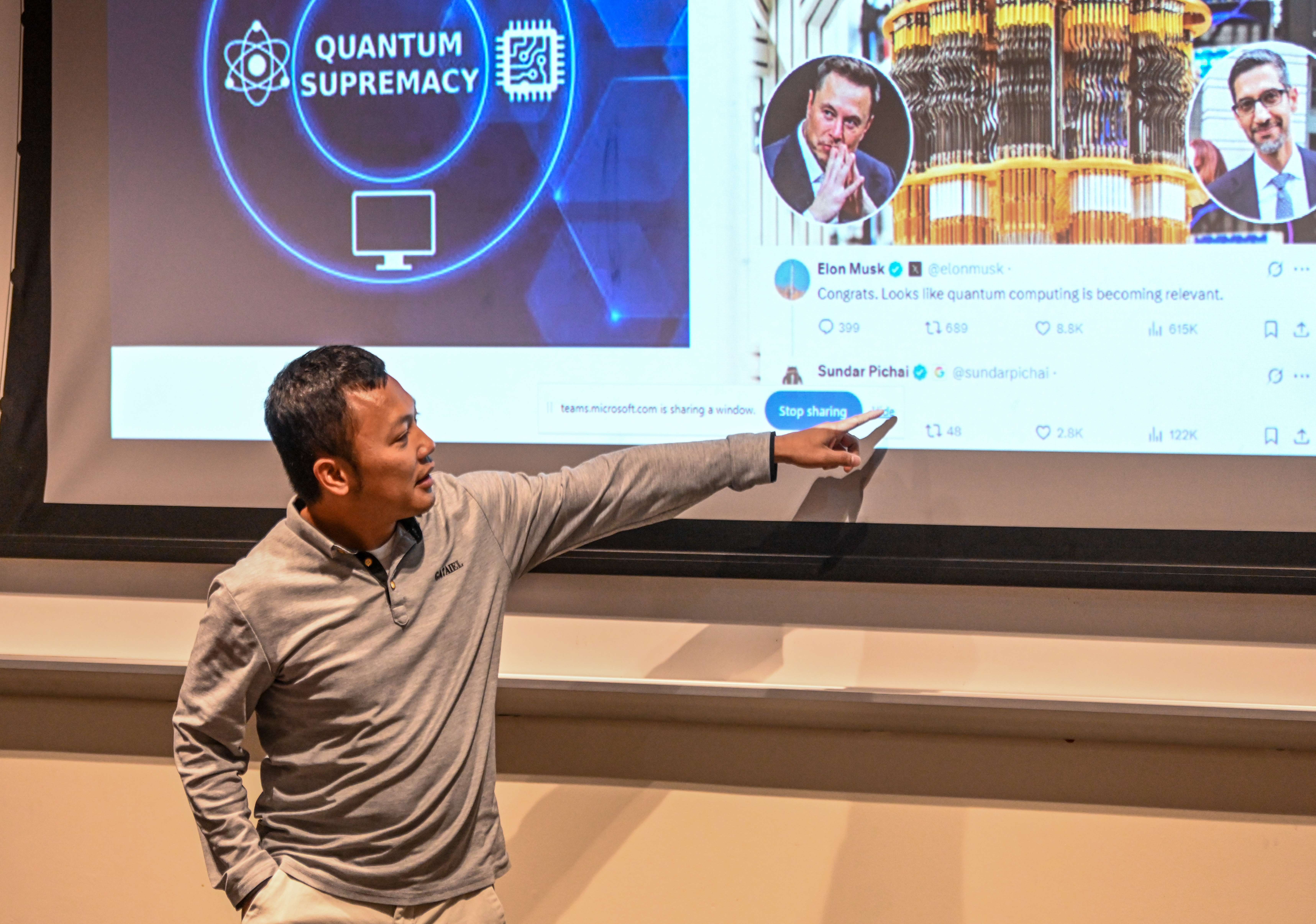
MSCX 114, November 7, 2025 From the 2025 Nobel Prize in Physics to Quantum Computers (Outreach Lecture Series) We explore the historical background of the 2025 Nobel Prize in Physics and examine several modern models of quantum computers. In addition, we introduce some fundamental principles of quantum mechanics that underpin quantum computing. |
|
Dr. Yafet Sanchez
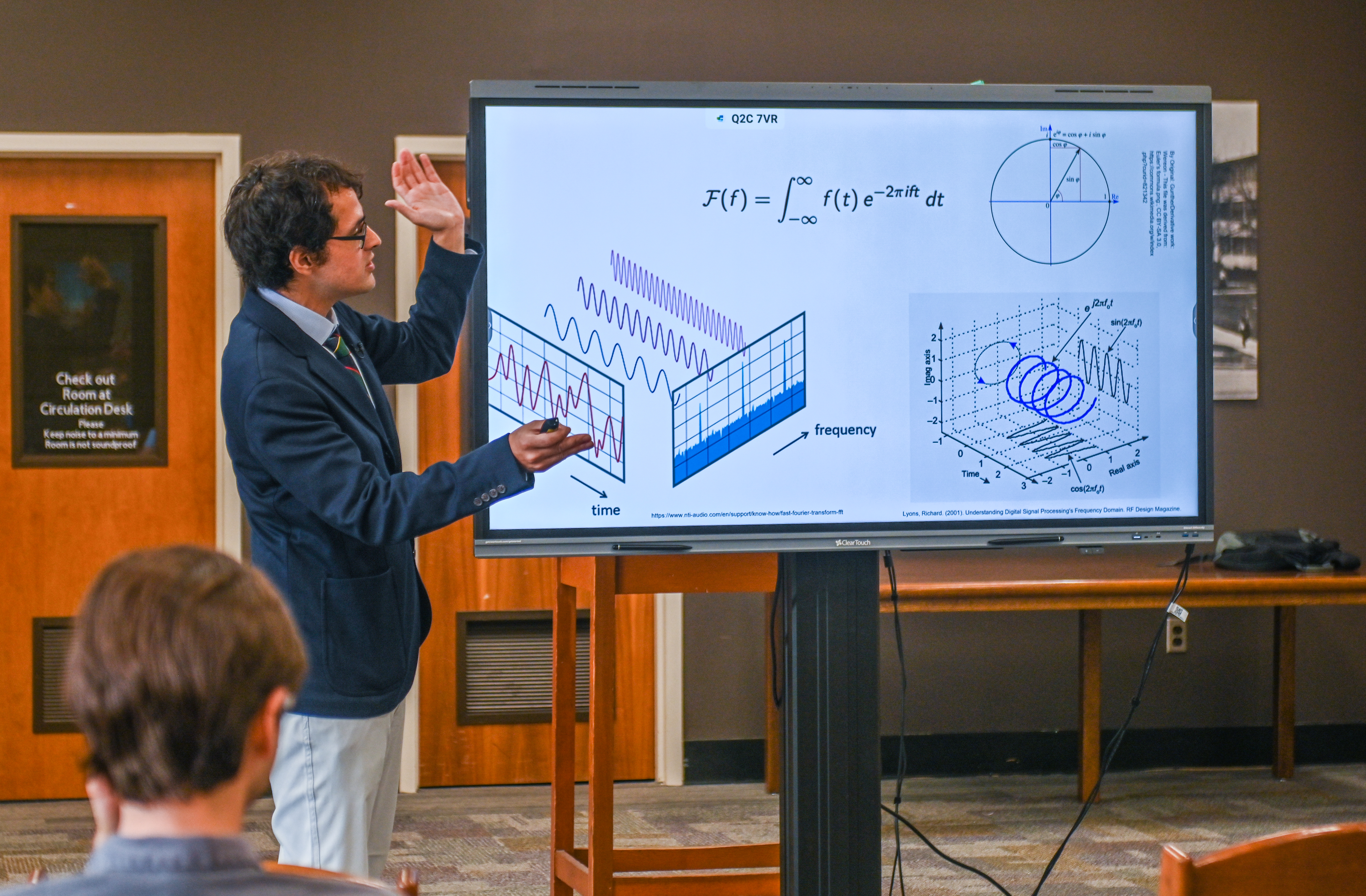
Troy University Library, April 3, 2025 The Fourier transform. A bridge between Music and Analysis (Outreach Lecture Series) The Fourier transform is a powerful mathematical tool that helps us analyze signals. In this talk, I will describe this technique and explore its applications in music. Simply put, the transform allows us to break down complex waves into their basic building blocks, much like how a prism separates light into different colors. This helps us understand how musical notes, instruments, and even voices combine to create the sounds we hear. Click here to watch it on YouTube. |
|
Dr. Bruno Costa
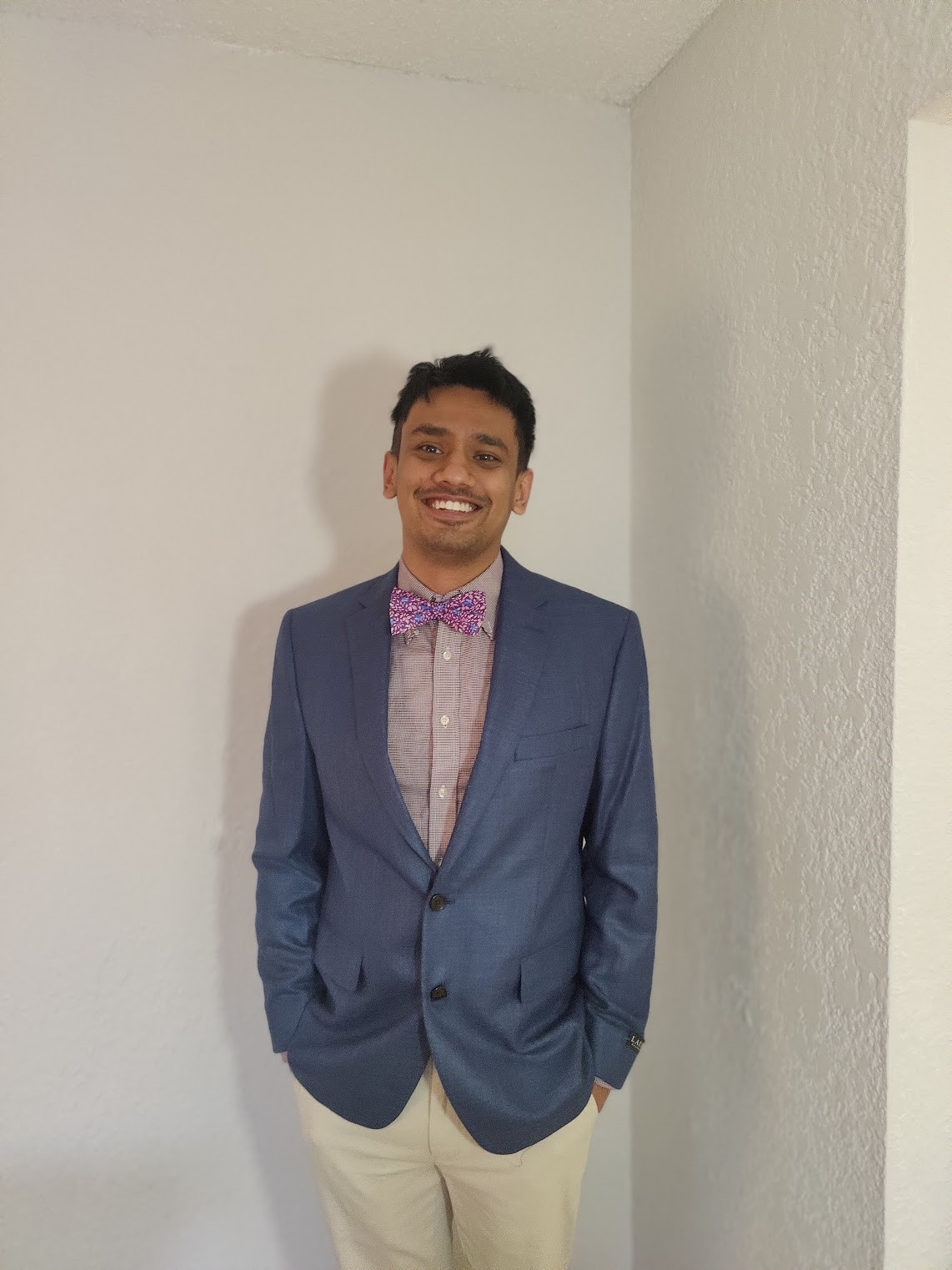
Troy University Library, January 30, 2025 Threads of Reality: The Ubiquity of Quantum Entanglement and Its Probabilistic Nature (Outreach Lecture Series) In our world, identical experiments can produce unequal outcomes. To deal with those, we developed the quantum theory, which deploys an extension of traditional logic called probabilities. Because probabilities operate on rigid rules, we quickly realize that we can learn certain properties of a particle by observing another, often in uncanny ways that our non-quantum intuition cannot fathom. This talk discusses quantum entanglement, a property once declared "spooky" by Einstein that permeates our best fundamental theories of matter. Click here to watch it on YouTube. |
|
Dr. Rakshak Adhikari
Troy University Library, February 14, 2025 Dark Matter in the Universe (Outreach Lecture Series) The Center for Relativity and Cosmology hosted Dark Matter in the Universe, where Dr. Rakshak Adhikari explored the elusive substance that, though invisible to the eye, exerts a gravitational pull shaping galaxies and the large-scale structure of the cosmos. He discussed evidence for dark matter, current detection efforts, and its critical role in the universe’s evolution from the Big Bang to galaxy formation, highlighting his work on structure formation using cosmological simulations to illustrate how computational models help scientists understand the universe’s hidden scaffolding. |
|
Dr. Govind Menon
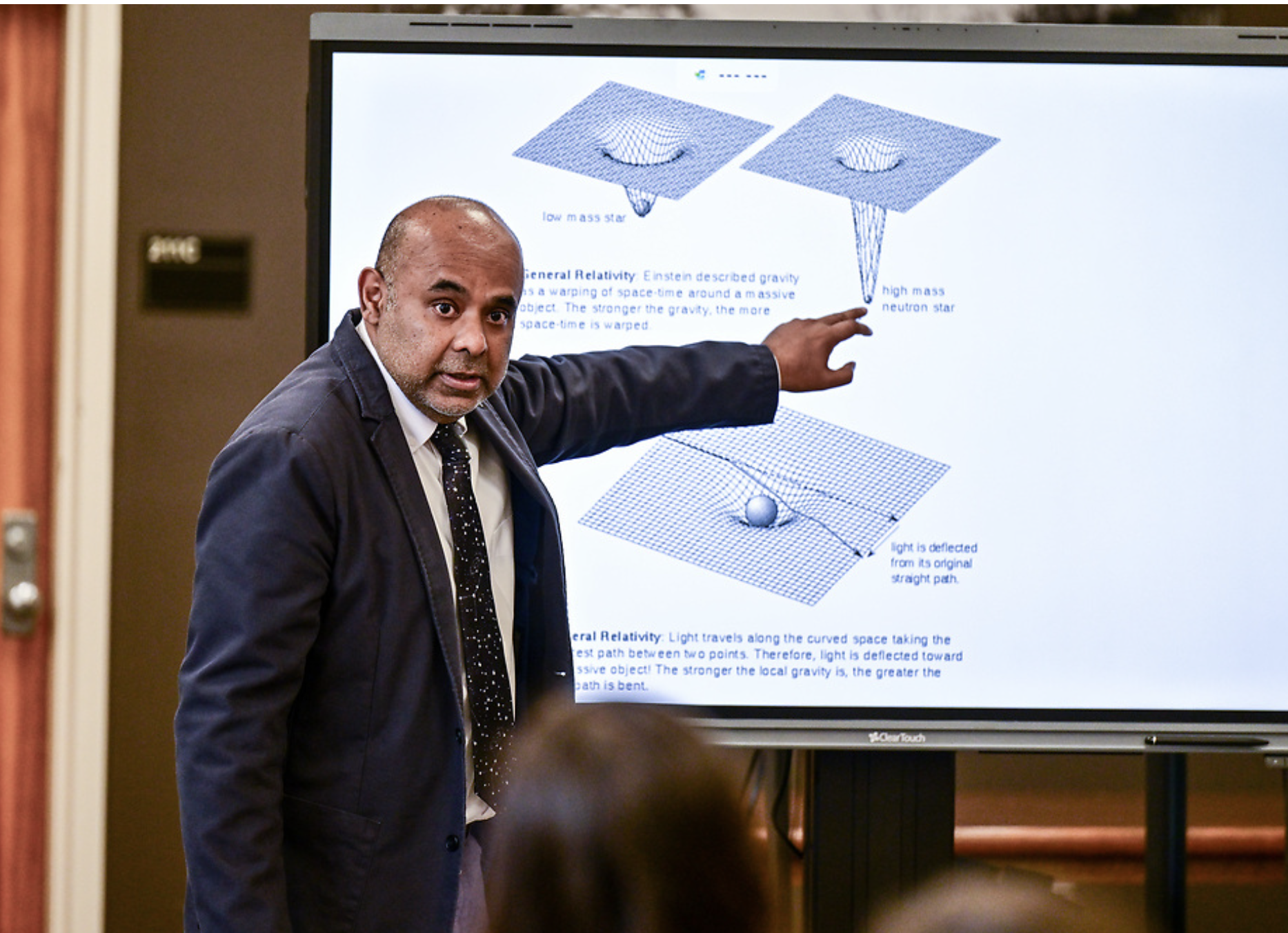
Troy University Library, September 19, 2024 Black Holes, Gravitational Waves, and Space-Time (Outreach Lecture Series) The Center for Relativity and Cosmology hosted an introductory talk on general relativity and gravitational physics. Dr. Menon explained how space and time form a single framework and described the basic properties of black holes and their effects on light and the surrounding environment. He discussed gravitational waves as disturbances in space-time and outlined how they are detected. The talk also covered supermassive black holes and the energetic jets produced as they accrete matter, with examples of observations from very large distances. The lecture was followed by a question-and-answer session moderated by Professor Orlofsky. |